
Bookworm: Connie Cao’s magical Asian veggie patch
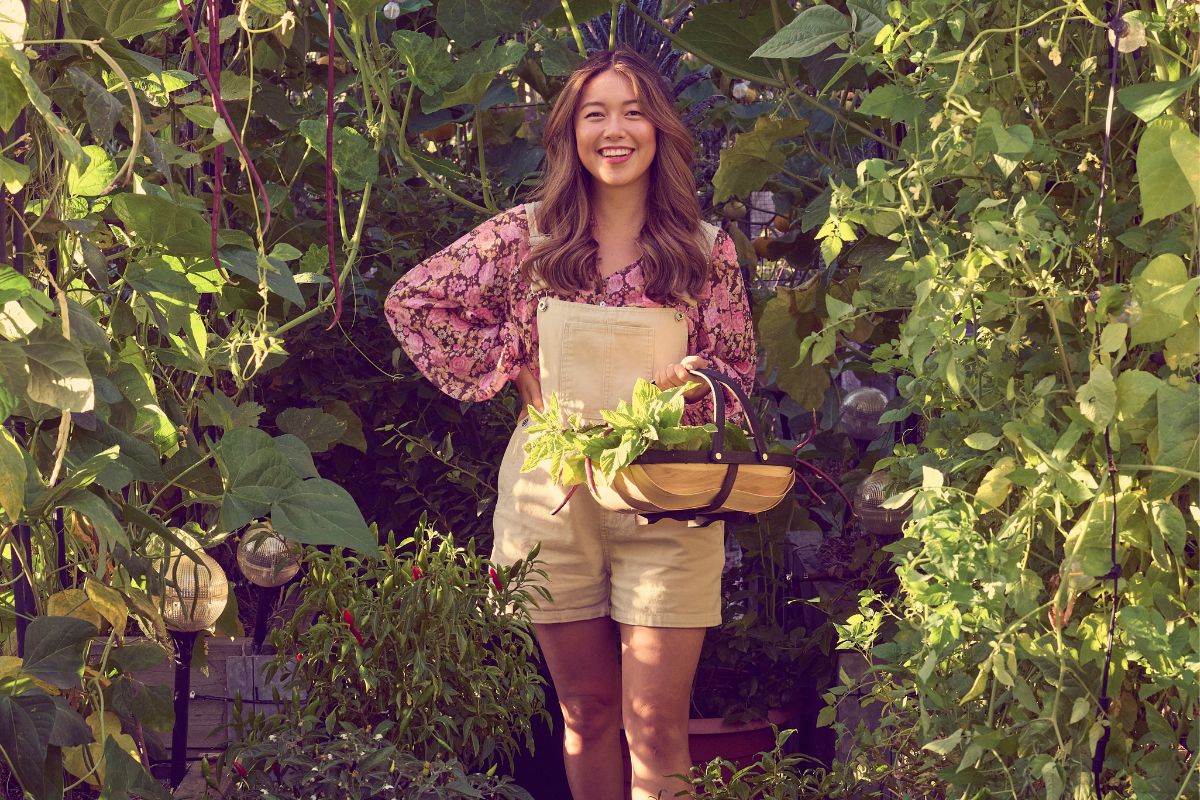
In our interview series Bookworm, we chat with authors and artists about books, gardening and food. This month, we meet Connie Cao.
All it took for Connie Cao to become an avid gardener (with a backyard now bursting with produce, flowers, and chickens) was planting a few garlic chives seeds at her primary school.
“It was really intriguing and magical to me that we were growing food. I couldn't believe it! They were just these little dots that we planted, and then, one day, we could actually eat them! I remember that moment super distinctly. It got me super excited about growing food,” she says.
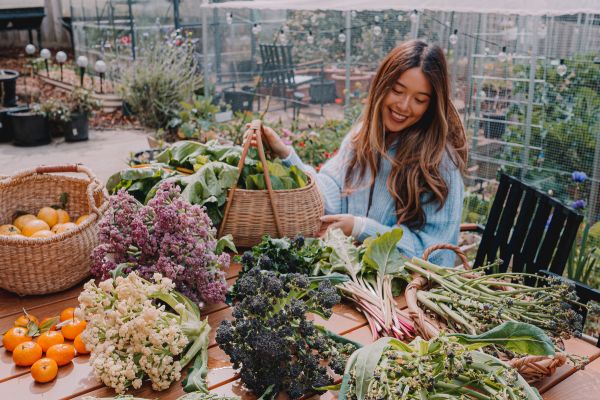
Connie Cao in her backyard with a winter harvest
Before long, Connie was planting a veggie patch at home with her parents, who migrated to Melbourne from Shanghai. They grew Asian vegetables they loved to cook with, many of which were hard to find in Australia, and Connie continued this tradition when she moved out on her own.
Growing food, culture and connection
Now holding a Diploma of Sustainable Living and a Permaculture Design Certificate, Connie grows over 100 varieties of vegetables, herbs, and fruit in her backyard. With her first book, Your Asian Veggie Patch, she shares the knowledge and passion she has cultivated over many years.
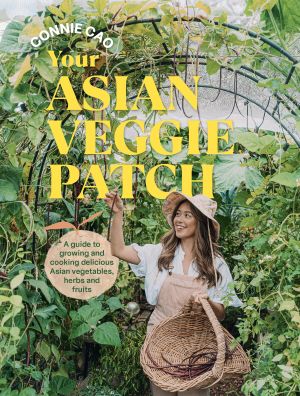
"There are so many different veggies that people might not know about that would grow well in their climate. I wanted to celebrate them and add to the conversation by bringing some culture, fun and flavour diversity to gardening,” she explains.
Connie believes schools and early childhood services can benefit immensely from growing plants from different cultures: “It starts conversations and gets people understanding other cultures and other kids in their school. It really brings the community together; people become more connected and more compassionate. Growing food from a different culture might seem like a small thing, but it brings so much connection and benefits to kids growing up.”
Getting started with Asian vegetables
Connie promises that many Asian vegetables are easy to grow, suit small spaces and pots, and are versatile in the kitchen.
Mizuna
"It can be eaten raw in a salad or cooked in soup. The leaves are pretty with their serrated edges, and they also come in purple, which is very exciting for kids!”
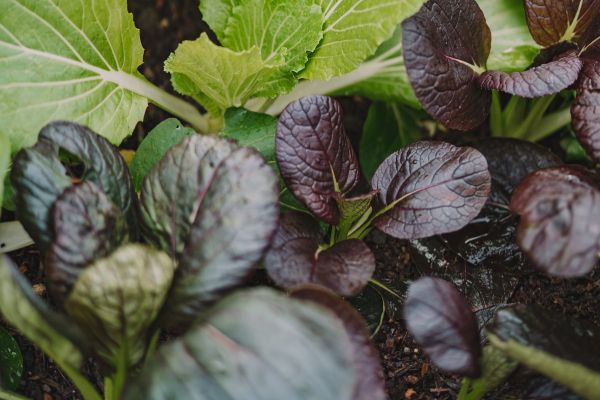
Green and purple bok choy
Bok choy
“They come in purple as well, and look like a flower when they’re growing. Use the young leaves for salads, and the older ones for stir fries.”
Jap/Kent and kabocha pumpkins
“The idea of a pumpkin patch and being able to find pumpkins under the leaves is so fun! If you have a wicking bed, you could just let it go, and the pumpkins should be pretty happy in there.”
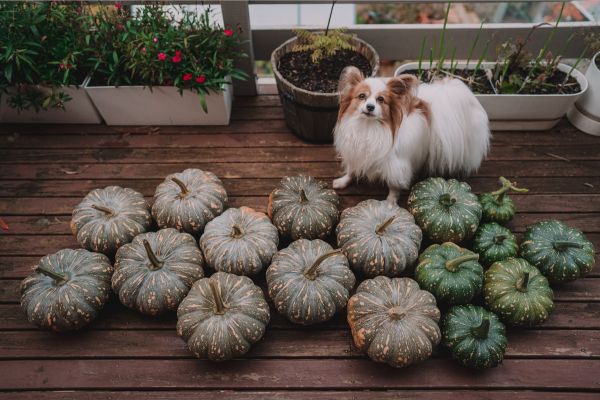
Pumpkins harvest in Connie's garden
Snow peas
“They’re really fun to add to a garden because they climb, and the plant keeps getting taller and taller, and then you can eat snow peas straight from the garden. Finding them is like a treasure hunt.”
Looking for a challenge?
If you’re ready to try something new or grow a longer-term project, Connie has suggestions:
Wasabi
“You can let the children know that when you have sushi, the wasabi on the side is usually fake; it’s horseradish. But you can grow the real thing, which is a very intriguing-looking plant. Test yourself! Wasabi requires cool temperatures, a lot of water, and shade. If you're living in a city and you've got shady spots, wasabi would thrive there.”
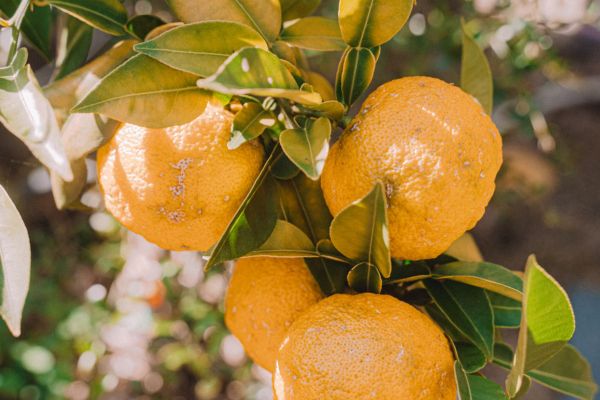
Yuzu works well with salads dressings, seafood, and desserts, as well as in dumpling dipping sauces, drinks, and more.
Yuzu
“Yuzu is one of the most cold-tolerant citruses you can grow. It has a very floral flavour. You can use it anywhere you use a lemon, and it's also great for baking. And it's really hard to find fresh yuzu, so it's a special thing to add to your garden.”
You can find more info about growing and cooking with over 50 Asian vegetables, fruits and herbs in Connie Cao’s Your Asian Veggie Patch.
Kitchen Garden Program members can also access our Growing Asian vegetables resource on the Shared Table, our online resource library and community hub. There, you’ll also find hundreds of recipes adapted for schools and services, like Braised pumpkin and rainbow chard in miso, Chicken and snow peas stir-fry and Seasonal vegetable soup.
And you can read our other Bookworm interviews with Julia Busuttil Nishimura, Bruce Pascoe, and more, here.
< Back to Latest News